

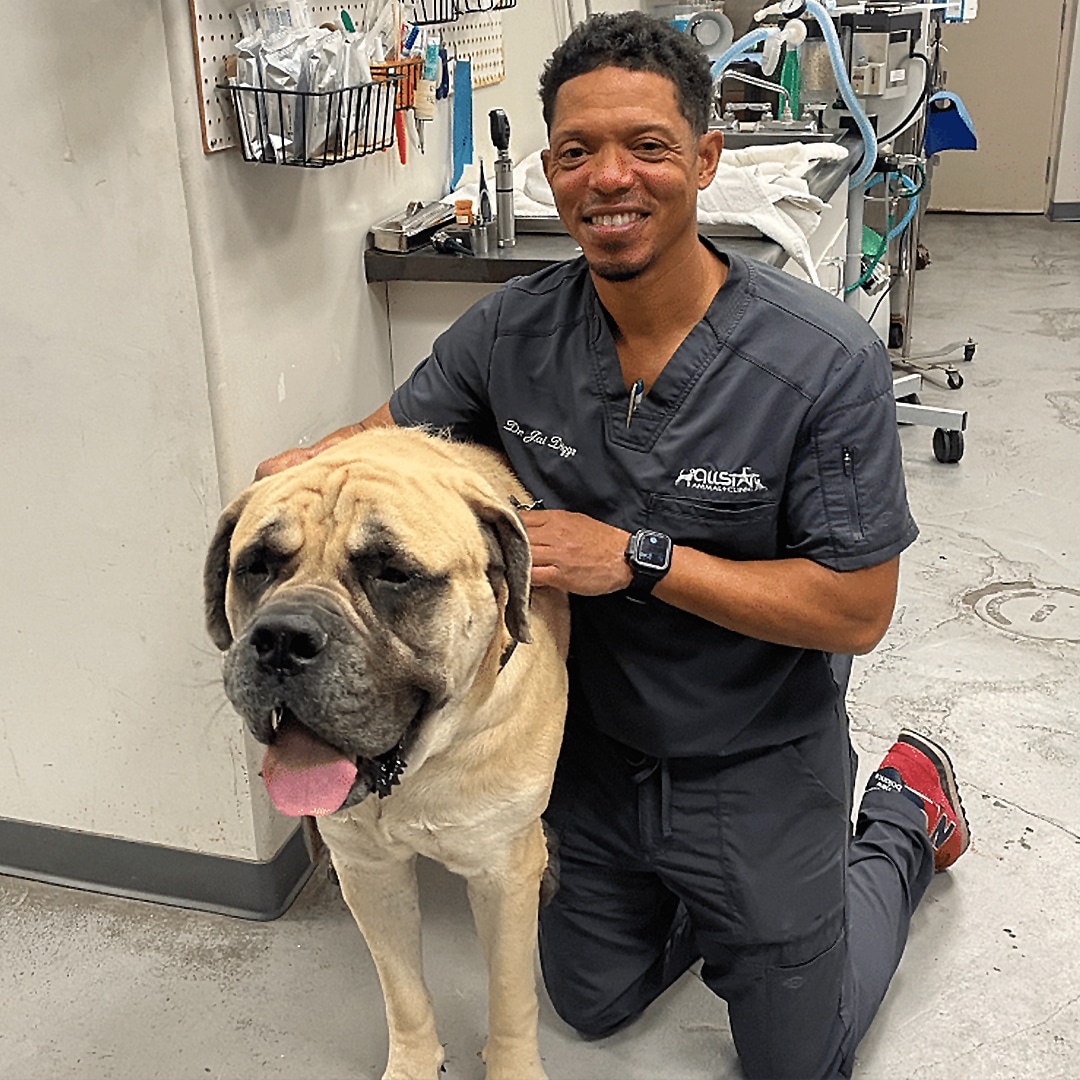
Summer Tips with Resident Veterinarian Dr. Treyton Diggs
By Jessica Braatz
With summer fast approaching, Westminster’s Resident Veterinarian, Dr. Treyton Diggs, shares some tips to keep your pet cool, safe, and happy throughout the warmer months.
As summer approaches, pet owners are taking the time to get outside and embrace the wonderful weather with their best friends. While there is plenty to enjoy during the warmer months, following some additional safety precautions can help ensure your pet makes the most of the summer sun safely. Dr. Diggs resides in Louisiana, and he is no stranger to hot temperatures and humidity.
Be Temperature Aware
Throughout the summer, Dr. Diggs’ resounding advice is to keep your dog cool and hydrated. When planning your day, check the forecast first to see what hours will be the hottest. Prioritize exercising your dog during the cooler hours in the morning and evening. When outdoors, prioritize shade and airflow to help keep your dog cool and comfortable, especially during the heat of the day.
Before walking your pet, get into the habit of checking the pavement temperature to ensure it is safe for your dog’s feet. Press your palm onto the ground, and if it is too hot for your skin, it is too hot for their paws. If you must walk your dog on pavement in the heat of the day, consider some boots or protective coverings for their pads.
To reduce the risk of heatstroke, avoid strenuous exercise during peak temperatures, and never leave pets unattended in the yard during extreme temperatures. Instead, keep outdoor exercise brief and prioritize shaded, grassy areas until temperatures reduce. Owners should watch closely for signs of heatstroke, such as excessive panting, drooling, or lethargy, and seek veterinary care immediately if these symptoms occur.
Travel Safely
When traveling with your pet over the summer, it is critical to never leave your pet in a vehicle, as temperatures inside a parked car can reach dangerous levels in minutes, even with the windows cracked.
If you are crossing state boundaries, ensure you have any documentation needed, as this can vary. Always secure your pet in the vehicle and ensure they have access to ample airflow.
Hydration is Key
Proper hydration is also key during these warmer months. Ensure your pets have constant access to fresh, cool water both indoors and outdoors. If it’s warm enough for you to bring a water bottle on a walk, it’s recommended that you bring one for your pet, too. Take frequent stops to rest and hydrate, ensuring summer activities remain fun and safe.
If your dog enjoys swimming, ensure bodies of water are free from any hazards or potentially dangerous wildlife. Be mindful of water temperature and discourage excessive water ingestion while playing or retrieving. Pet life jackets can provide additional safety around the water, but do not substitute for constant supervision. Always keep plenty of fresh drinking water on hand.
As you head out on hikes and longer walks, consider carrying a pet first aid kit with you, and know how to use it. Remain aware of wildlife and other animals on the trail, and do not be afraid to change course if needed. Safety should always be the first priority.
Indoor Enrichment
If high temperatures keep you indoors, consider some fun games, treats, and toys to keep your dog entertained. Frozen lick mats and puzzle toys can provide mental stimulation during long periods indoors. Teach your dog some tricks, or train them for a new title.
While treats should be given in moderation, many foods can provide a safe and refreshing snack for your pet. Watermelon, blueberries, and blackberries are all great treats in moderation, and can even be frozen for extra refreshment. Vegetables such as carrots and broccoli can also make great summer snacks. Unsalted broth and plain, unsweetened yogurt can also be frozen to make “pupsicles” for your pet. Include some of the above fruits and vegetables, too, for an entertaining and refreshing snack. Avoid any human foods containing high amounts of sugar or salt, and always read labels before giving anything to your pets.
While caution and preparation can keep your pet healthy this summer, if your pet is behaving abnormally or displaying concerning symptoms, it is always best to consult with your trusted veterinarian. Have a plan if traveling with your pet, and know where emergency vets are located before you need one.